
What the Moab City Police Department Missed in the Gabby Petito Domestic Violence Investigation: A Retired Officer’s Analysis
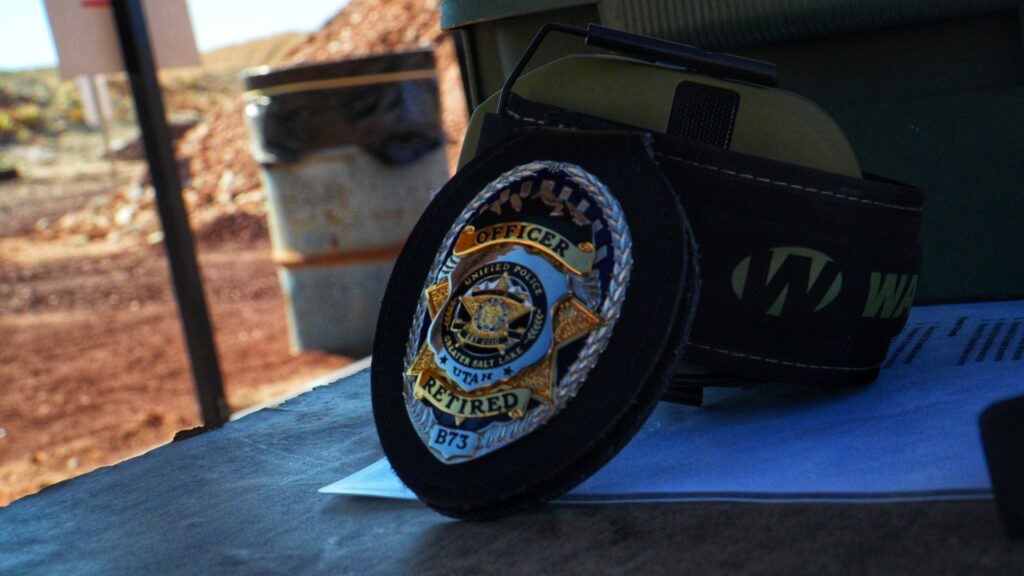
The Moab City Police Department’s handling of the Gabby Petito domestic violence call remains one of the most widely discussed law-enforcement encounters in recent years. As a retired Utah police officer with decades of experience investigating domestic violence, training new officers, and working in mental-health crisis response (CIT), I reviewed both bodycam videos closely.
What I saw was a tragic example of how inexperience, poor contact-and-cover tactics, and failure to follow Utah domestic violence law may have contributed to an inadequate investigation—an investigation that could have changed the fate of Gabby Petito.
This article is for anyone trying to understand what went wrong during the Moab Police domestic violence investigation, as well as for women who may be involved in abusive relationships and want to know their rights and what warning signs to look for.
What the Moab Police Officers Got Wrong: Understanding the Roadside Investigation
According to the bodycam footage, the Moab officers believed Gabby Petito was the “primary aggressor”. They focused on scratches on Brian Laundrie, and on Gabby’s admission that she had struck him. However, they paid far less attention to her visible injuries, including a scratch on her cheek and a bruise on her arm—consistent with her statement that Brian grabbed her by the face.
Gabby’s apologetic tone, stress, anxiety, and reluctance to disclose details were classic victim behavior often seen in domestic violence cases. This was misinterpreted as her being responsible for the incident.
Meanwhile, Brian Laundrie demonstrated evasive behavior, inconsistency in his statements, and manipulation—laughing when officers labeled him the “victim.”
The Missed Red Flag: The Phone Incident
One of the most troubling gaps in the Moab Police investigation was the failure to ask about the fight over Gabby’s phone—a fact mentioned by the independent witness who called 911.
In Utah, taking someone’s phone by force—especially if they are attempting to call for help—can be charged as:
-
Interruption of a communication device (Utah Code 76-6-108)
-
Robbery (Utah Code 76-6-301)
-
Theft (Utah Code 76-6-404)
Any of these charges would have made Brian the predominant aggressor, requiring mandatory arrest under the Utah Cohabitant Abuse Act.
Brian even lied about whether he had a phone on him—another sign that should have prompted deeper questioning.
Contact and Cover Breakdown: A Training Failure
The bodycam footage shows a breakdown in the contact-and-cover system, a foundational policing principle taught in every academy.
One officer appeared to take over the investigation despite being the designated cover officer, stepping on the contact officer’s role and causing confusion that impacted the entire case.
When contact-and-cover fails:
-
Evidence gets overlooked
-
The victim’s credibility is misread
-
Officers unintentionally take sides
-
Critical investigative questions go unasked
This is exactly what unfolded in the Moab investigation.
Key Questions the Moab Officers Should Have Asked
A proper domestic violence investigation requires more than looking at injuries. An experienced officer must consider:
-
Who called 911 and why?
-
Did anyone try to flee the scene?
-
What triggered the argument?
-
Is one person minimizing or hiding details?
-
Are injuries consistent with self-defense?
-
What do independent witnesses report?
-
Do the stories make sense—or does one partner appear manipulative or evasive?
Had the officers applied these principles, the results of this stop may have been drastically different.
Gabby’s Demeanor vs. Brian’s Behavior
Gabby appeared:
-
Apologetic
-
Worried
-
Truthful yet guarded
-
Afraid of “making Brian mad”
-
Emotionally overwhelmed
In my professional opinion, Gabby Petito presented as a classic domestic violence victim.
Brian, on the other hand, appeared:
-
Nervous and inconsistent
-
Dishonest in multiple statements
-
Manipulative and minimizing
-
Eager to paint Gabby as unstable
-
Emotionally detached—almost smug
The Moab officers misread these dynamics entirely.
Why the Injuries Actually Pointed Toward Brian as the Aggressor
Gabby reported Brian grabbing her face—supported by visible injury. She also had a bruise on her arm, possibly from being restrained.
Brian’s injuries?
Scratches—highly consistent with defensive actions.
But the officers never properly compared injuries to statements. This overlooked detail could have shifted the entire investigation.
A System Under Strain: Inexperienced Officers and the Effects of “Defund the Police”
This case reflects a broader national problem. The defund the police movement has driven experienced officers out of the profession, leaving communities with young, undertrained officers responding to life-and-death situations.
These Moab officers weren’t malicious—they were inexperienced, unsupported, and unsure. Domestic violence calls require seasoned judgment, and that was missing here.
To Women in Abusive Relationships: Know This
If a man hits you, controls you, or belittles you, that is abuse.
Domestic violence always escalates—emotionally, financially, and physically.
Abusers often:
-
Start out charming
-
Slowly isolate you
-
Decide who you may see
-
Control your phone and your communication
-
Blame you for “setting them off”
-
Escalate to physical violence
The most dangerous moment is when you try to leave. Please have a plan. Seek help. Reach out to police, a domestic violence shelter, or a trusted friend.
Learn to protect yourself. Your life is worth defending.
Final Thoughts
The Moab City Police domestic violence investigation involving Gabby Petito is a heartbreaking example of what happens when critical steps are missed. The phone incident, the misread injuries, and the breakdown in officer roles all contributed to a deeply flawed assessment.
I welcome comments and discussion. Stay safe and never hesitate to reach out for help.
For firearm training, self-defense education, and free safety articles, visit:
👉 gunclassutah.com
Phil Snyder
Retired Unified Police Officer — Salt Lake County Sheriff’s Office and Unified Police Dept of SLC
Utah Concealed Firearms Instructor